Can Disposable Trays Really Be Sustainable?
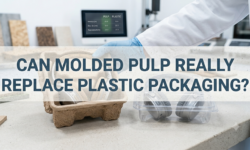
Today, molded pulp disposable trays are helping businesses understand what sustainability looks like. In fact, many food producers, retailers, and packaging professionals are discovering that the right disposable trays are surprisingly eco-friendly.
So, can disposable trays really be sustainable? The short answer is yes!
The problem is not disposable packaging; it is the material.
When people criticize disposable packaging, they are thinking about single-use plastics. The issue is not necessarily that the packaging is used once. The bigger issue is what happens after it is used.
A sustainable package considers its entire lifecycle, that is, from manufacturing to disposal.
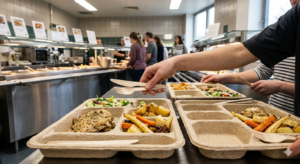
What Makes Molded Pulp Different?
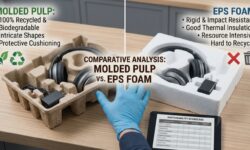
Molded pulp trays are typically made from recycled paper, cardboard, or other recovered fiber materials. Instead of creating new plastic, manufacturers repurpose existing materials that might otherwise become waste.
In many cases, the raw material used to create molded pulp packaging has already served another purpose before being transformed into a protective tray.
Sustainable Packaging Starts Before Disposal
Many sustainability discussions focus only on what happens after a product is thrown away. But true sustainability begins much earlier.
A packaging solution should also minimize
- Material consumption
- Transportation emissions
- Product damage
Molded pulp trays are lightweight while still offering excellent protection. This helps reduce shipping weight and can lower transportation-related environmental impacts.
It can be Recycled
One of the biggest advantages of molded pulp trays is their ability to enter existing recycling systems. Unlike some mixed-material packaging solutions, molded pulp is generally easy to recycle because it is fiber-based.
For businesses and consumers, this creates a more straightforward path to responsible disposal. The easier something is to recycle, the more likely it is to stay out of the landfill.
It is easily composable.
Many molded pulp products are also compostable under the right conditions. This means the material can naturally break down over time rather than remaining in the environment for decades.
While local composting capabilities vary, the ability to biodegrade is a major advantage compared to conventional plastic packaging.
It Does Not Sacrifice Performance
One common misconception is that eco-friendly packaging is weaker or less protective.
They offer:
- Shock absorption
- Product stability
- Stackability
- Structural strength
This makes them suitable for everything from produce and food products to beverages, personal care items, and industrial components.
The Truth About Sustainable Disposable Trays
Are disposable trays automatically sustainable? No.
A disposable tray made from difficult-to-recycle plastic may still create environmental challenges.
However, molded pulp trays represent a different category altogether. By using recycled fibers, supporting recyclability, reducing waste, and providing strong product protection, they offer a much more sustainable alternative to many traditional packaging options.
The key is not whether a tray is disposable. The key is what it's made from, how it is produced, and what happens to it after use.
For in-stock options, check out our partner site WineShippingBoxes.com for molded pulp inserts ready to ship.