Molded Packaging For Produce

Fresh fruits and vegetables can look perfect when they leave the farm but arrive at the store bruised, crushed, or already beginning to spoil. Packaging plays an important role in preventing this loss. The right packaging can protect delicate produce from physical damage while supporting the airflow and moisture conditions needed to maintain quality.
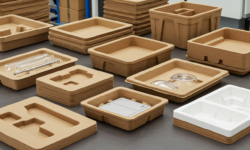
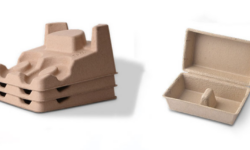
Molded pulp packaging is increasingly useful for this purpose. Made from formed fiber materials, molded pulp trays and inserts can cushion produce, improve ventilation, and help manage surface moisture during transportation and storage. (Molded Pulp Packaging)
It Offers Protection Against Bruising and Damage
One of the biggest threats to fresh produce is physical damage. Fruits and vegetables can experience drops, vibration, compression, and repeated handling as they move from farms to warehouses, delivery vehicles, stores, and eventually consumers.
A molded pulp tray gives individual items a more secure position. Instead of allowing produce to roll around and collide with other items, the molded shape creates separate spaces that provide support.
This cushioning is particularly useful for delicate products such as apples, pears, peaches, avocados, tomatoes, and berries.

It Creates Better Airflow Around Fresh Produce
Fresh produce continues to respire after harvesting. This means packaging needs to provide an environment that supports appropriate ventilation rather than simply trapping heat and moisture.
Molded pulp trays can be designed with openings and spaces that encourage air movement around the produce. Good ventilation can help dissipate heat and moisture while supporting cooling during storage and transportation. Research into fresh-produce packaging also shows that ventilation design can influence cooling performance and package strength.
It Helps Reduce Excess Surface Moisture
Too much moisture can create problems for fresh fruits and vegetables. Condensation and surface water can encourage deterioration, particularly with delicate produce.
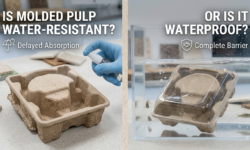
The fibrous structure of molded pulp can absorb some surface moisture. This can be beneficial for products that are easily damaged by excess water. NC State Extension notes that pulp containers can absorb surface moisture from fresh produce, including small fruits and berries. (NC State Extension)
However, packaging should still be properly designed for the specific product, storage conditions, and distribution environment. Molded pulp is not a replacement for appropriate refrigeration or cold-chain management.
It Helps to Keep Produce Presentable on the Shelf
Freshness is not only about shelf life. Appearance matters too.
Consumers are more likely to choose produce that looks clean, intact, and fresh. A tray that keeps individual fruits or vegetables securely positioned can reduce bruising and improve presentation.
It Is A More Sustainable Packaging Option
Protection is important, but so is what happens to packaging after use. Molded pulp is commonly produced from recovered paper fibers and is widely used for fruit and vegetable trays.
For businesses looking to reduce their reliance on conventional plastic packaging, molded pulp can provide a practical fiber-based alternative while still offering cushioning and structural support.
For in-stock options, check out our partner site WineShippingBoxes.com for molded pulp inserts ready to ship.