Can molded pulp really replace plastic packaging?
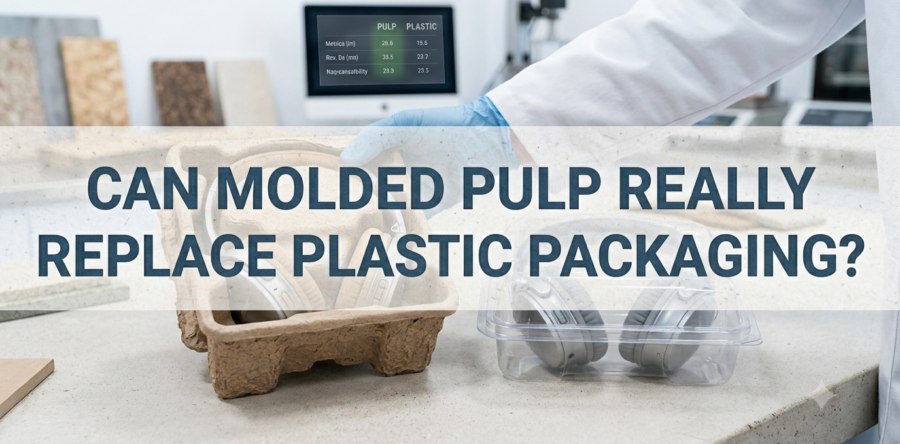
Can molded pulp really replace plastic packaging? In many cases, the answer is yes, although the right choice ultimately depends on the product and its specific packaging requirements.
Why Businesses Are Moving Away from Plastic
Many plastic packaging materials are made from fossil fuels and can remain in the environment for hundreds of years if not properly recycled. Single-use plastics, in particular, have become a growing concern as businesses and consumers look for ways to reduce waste.
As sustainability becomes a priority, manufacturers are seeking packaging materials that deliver strong performance while reducing their environmental footprint.
This is where molded pulp stands out.
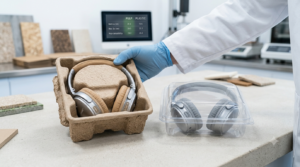
What Makes Molded Pulp Different?
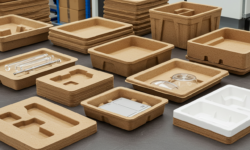
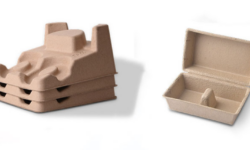
Molded pulp is manufactured using recycled paper, cardboard, and other paper fibers. These materials are mixed with water, molded into custom shapes, and dried to create durable protective packaging.
Unlike many plastic products, molded pulp is made from renewable and recycled resources. It is also widely recyclable, and many molded pulp products are biodegradable or compostable under appropriate conditions.
These qualities make it an attractive option for companies pursuing environmentally responsible packaging strategies.
Excellent Protection for Many Products
One common misconception is that replacing plastic means sacrificing product protection.
In reality, molded pulp provides excellent cushioning for many types of goods. Because it can be custom molded to fit specific products, it helps minimize movement during shipping and reduces the risk of damage.
Molded pulp is commonly used to package:
- Fresh produce
- Eggs
- Wine bottles
- Consumer electronics
- Medical devices
- Industrial components
- Household goods
A Better Choice for Sustainability
One of molded pulp's greatest strengths is its contribution to a circular economy.
By using recycled fibers as raw materials, manufacturers reduce the demand for virgin resources while giving paper products a second life. After use, many molded pulp packages can be recycled again, continuing the cycle.
Are There Any Limitations?
Although molded pulp is highly versatile, it is not a perfect replacement for every type of plastic packaging.
Applications requiring complete waterproofing, long-term exposure to moisture, or airtight sealing may still require specialized materials or hybrid packaging solutions. Likewise, some products with highly complex shapes or unique barrier requirements may need packaging that combines molded pulp with other materials.
Supporting Brand Image
Packaging is often one of the first things customers notice about a product.
Using molded pulp demonstrates a commitment to sustainability, which can strengthen brand reputation and appeal to environmentally conscious consumers.
Its natural texture and clean appearance also complement modern packaging designs, particularly for premium products where authenticity and sustainability are part of the brand identity.
The Future of Packaging
Governments, retailers, and consumers are increasingly encouraging businesses to reduce plastic waste. So for many businesses, transitioning from plastic to molded pulp is no longer simply an environmental decision. It is also a smart long-term business strategy.
For in-stock options, check out our partner site WineShippingBoxes.com for molded pulp inserts ready to ship.