What Is Next For Sustainable Packaging

2025 Packaging Outlook
As the year 2025 wraps up, you face faster changes in packaging rules and buyer expectations. Businesses push for lower waste, lower emissions, and stronger protective performance. Sustainable packaging moves through steady upgrades each year. Fiber based systems lead this shift.

Why Fiber Based Packaging Leads the Next Phase
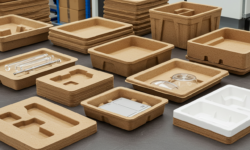
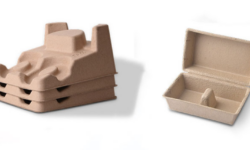
Fibre-based materials grow across retail, food shipping, and industrial lines. Molded pulp trays, roll cradles, and end caps replace plastic forms. You get protective strength with lower waste. You also support recycling networks that run in most regions.
Fiber-based packaging fits mono-material workflows. Sorting becomes simple. Recycling plants process the material with fewer steps. This lowers contamination levels in recovered fiber.
Lower Weight, Lower Impact
Lightweight molded pulp lowers freight weight. This reduces transport emissions and lowers shipping cost. Test results show strong performance even with reduced mass. You protect load stability without foam blocks or rigid plastic cushions.
Closed Loop Production
More pulp facilities run closed-loop systems. Plants recover waste fiber, process it, and form new protective parts. You get a steady supply with less dependence on new raw materials. This supports cost control across long projects.
Automation and Production Quality
Automation shapes the next stage of sustainable packaging. High speed molding lines deliver consistent parts. You get tighter dimensions and smoother surfaces. This reduces defects during packing and leads to fewer product returns.
Growth of Custom Molded Pulp
Custom pulp parts expand across electronics, appliances, wine shipping, and roll shipping. The material meets impact standards for many product groups. You get uniform support without plastic. You also remove mixed materials from your line.
Cleaner Product Presentation
Brands want cleaner shelf presentation. Molded pulp accepts smooth finishes for retail ready formats. Buyers respond well to packaging that shows responsible sourcing and low waste.
Safer Printing Systems
Water based inks replace older ink systems. These inks reduce harmful solvents in print lines. They also help recyclers process cartons without added steps.
Mono Material Packaging
Mono material packaging grows as rules tighten. You reduce mixed components in each pack. Recycling centers sort and process these items faster. You remove confusion in disposal steps for end users.
Digital Tracking in Packaging
More companies add QR codes to packaging. You track recycled content. You verify supply chain data. You also meet compliance rules in markets with strict packaging standards.
How You Prepare for the Next Phase
- Review plastic inserts in current shipments.
- Shift simple support parts to molded pulp.
- Test transport loads with lighter pulp parts.
- Track damage rates after switching.
- Compare saved freight weight per pallet.
- Train staff on new packing steps.
- Update customer documentation and spec sheets.
What to Watch Through 2026
- Higher demand for molded pulp replacement parts.
- Growth in water based printing.
- Wider adoption of mono material packaging.
- Tighter rules on plastic content.
- Advances in automated pulp molding lines.
- Higher buyer demand for recyclable packaging.
- Expanded molded pulp options for roll support and corner guards.
- Stronger focus on carbon tracking across supply chains.
For in stock molded pulp inserts, check WineShippingBoxes.com for ready to ship options.