Why You Shouldn’t Use “Cheap” Packaging for Food
Every food business wants to control costs. It can be tempting to choose the lowest-priced packaging available, especially when margins are tight. However, when it comes to food packaging, the cheapest option is not always the most affordable in the long run.
Here is why businesses should think twice before choosing "cheap" food packaging.
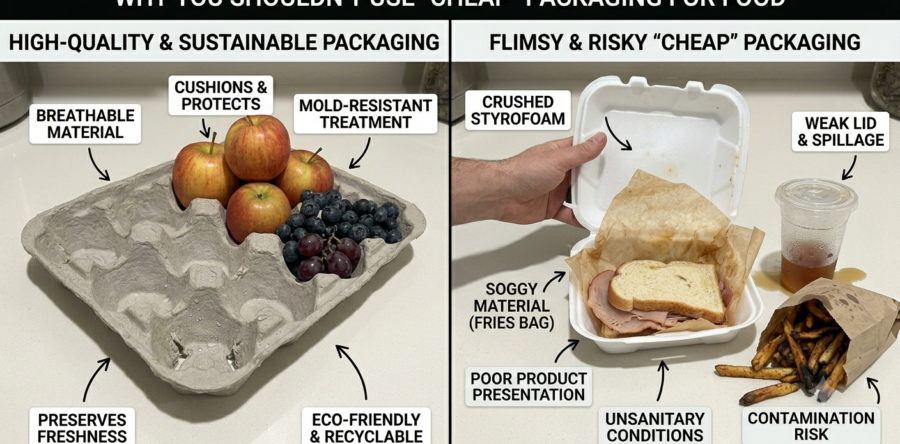
Cheap Packaging Often Provides Less Protection
Low-quality packaging lacks the strength and durability needed to protect products throughout this journey.
So you should invest in packaging that properly supports and protects food; it can significantly reduce losses.
Reduced Freshness and Shelf Life
Many cheap packaging materials fail to provide proper ventilation, moisture control, or product support. This can create conditions that speed up spoilage and reduce shelf life.
Fresh produce, for example, requires airflow and protection from excess moisture. Packaging that traps humidity or allows excessive movement can cause fruits and vegetables to deteriorate faster.
Food Safety Should Never Be Compromised
Packaging materials must meet strict standards to ensure they are safe for food contact. Extremely low-cost packaging may not always offer the same level of quality control or consistency as trusted packaging solutions.
Businesses should prioritize packaging materials that are specifically designed for food applications and manufactured according to appropriate industry standards.
Customer Perception Matters
Even if the food inside is excellent, poor packaging can create a negative impression. Thin, flimsy, damaged, or unattractive packaging may cause customers to question the quality of the product itself.
Consumers increasingly associate packaging quality with overall brand quality.
Strong, well-designed packaging communicates professionalism, reliability, and attention to detail. In contrast, cheap-looking packaging can undermine customer confidence and discourage repeat purchases.
Higher Long-Term Costs
The biggest misconception about inexpensive packaging is that it always saves money.
In reality, poor packaging can increase costs through the following:
- Product damage
- Food waste
- Returns and replacements
- Customer complaints
- Lost sales
- Brand reputation issues
A slightly higher investment in quality packaging often reduces these hidden costs and delivers better overall value.
Sustainability Is Becoming More Important
Many low-cost packaging materials rely heavily on single-use plastics or lower-quality materials that may not align with modern sustainability goals.
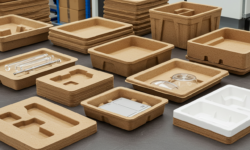
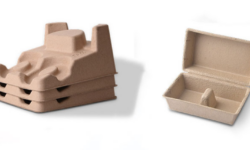
Quality molded pulp packaging offers an environmentally responsible alternative. Made from recycled and renewable fibers, molded pulp products provide excellent protection while helping businesses reduce their environmental footprint.
Quality Packaging Supports Brand Growth
Well-designed packaging can:
- Protect products effectively
- Improve customer satisfaction
- Reduce waste
- Support sustainability initiatives
- Strengthen brand image
Final Thoughts
For food producers, distributors, and retailers, packaging should be viewed as an investment, not just an expense.
For in-stock options, check out our partner site WineShippingBoxes.com for molded pulp inserts ready to ship.