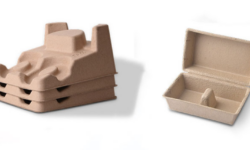
Why Molded Pulp Packaging Performs Better in High-Humidity Shipping Routes

High-humidity shipping routes are tough on packaging. Long ocean freight journeys, tropical climates, rainy seasons, and poorly ventilated containers can all expose packages to excess moisture. When packaging fails under these conditions, products suffer. Labels peel, boxes weaken, and damage rates increase.
This is where molded pulp packaging stands out. Designed from natural fibers and engineered for strength, molded pulp consistently performs better in humid shipping environments than many traditional packaging materials.
The challenge of humidity in shipping
Humidity affects packaging in several ways:
- Weakening structural integrity
- Causing warping or collapse
- Encouraging mold growth
- Increasing friction and abrasion
- Reducing stacking strength
Plastic may trap moisture. Corrugated cardboard often absorbs water unevenly and loses strength. Foam can degrade or shift under prolonged damp conditions.
Molded pulp behaves differently.
Molded pulp manages moisture, not just resists it

Molded pulp is made from recycled paper fibers bonded into a dense, interlocking structure. This structure allows it to manage moisture more effectively.
Instead of trapping humidity against the product, molded pulp:
- Absorbs small amounts of moisture evenly
- Releases moisture gradually
- Maintains shape during exposure
This balanced moisture behavior reduces sudden weakening that leads to collapse or product movement.
Strong wet strength compared to standard paper packaging
One key advantage of molded pulp packaging is its wet strength. Even when exposed to high humidity, it retains a large percentage of its original rigidity.
This means:
- Better protection during long transits
- Reduced deformation under load
- Improved stacking performance
For shipping routes that involve sea freight or tropical climates, this stability is critical.
Reduced condensation damage
Condensation is common in shipping containers moving between temperature zones. When warm air cools, moisture forms inside the container.
Molded pulp helps reduce condensation-related damage by:
- Allowing airflow around the product
- Preventing moisture pooling
- Minimizing direct contact with condensed water
This is especially important for glass bottles, electronics, and sensitive goods.
Consistent cushioning in damp environments
Some packaging materials lose cushioning ability when exposed to moisture. Molded pulp maintains its shock-absorbing performance even in humid conditions.
Its fiber structure continues to:
- Absorb vibration
- Distribute impact energy
- Limit product movement
This makes molded pulp ideal for high-humidity routes where vibration and moisture occur together.
Mold resistance and cleanliness
Properly manufactured molded pulp packaging is resistant to mold growth under normal shipping conditions. Because it dries evenly and does not trap standing moisture, it is less likely to develop odor or surface mold compared to poorly ventilated cardboard packaging.
This is important for:
- Food and beverage shipping
- Medical products
- Export packaging
Clean packaging protects brand reputation and compliance requirements.
Performs well without plastic coatings
Many moisture-resistant packaging solutions rely on plastic laminations or coatings. Molded pulp can perform well in humid environments without heavy plastic layers.
This offers two advantages:
- Easier recycling
- Lower environmental impact
For businesses shipping through high-humidity regions while pursuing sustainability goals, molded pulp offers a practical balance of performance and responsibility.
Ideal for global and export shipping
Molded pulp packaging is widely used for export shipments because it handles:
- Long transit times
- Variable climates
- Repeated handling
From wine and spirits to industrial components, molded pulp protects products where humidity is unavoidable.
Final thoughts
High-humidity shipping routes expose packaging weaknesses fast. Molded pulp packaging performs better because it manages moisture evenly, maintains strength under damp conditions, and continues protecting products throughout transit.
It does not rely on rigid barriers alone. Instead, it adapts to the environment while keeping products secure.
For in-stock options, check out our partner site WineShippingBoxes.com for molded pulp inserts ready to ship.