Steps to Improve Industrial Packaging Efficiency

Effective packaging conserves time, finances, and resources. In industrial processes, even minor enhancements in packaging can significantly impact productivity and cost savings. The objective is to expedite the movement of products in a safer manner while minimizing costs. Outlined below are essential measures to enhance industrial packaging efficiency in 2025.
1. Evaluate Your Current Packaging Process
Start by assessing your existing packaging line. Look for slow areas or repeated manual tasks. Identify steps that delay production or cause product damage. Use time-tracking and output data to measure performance. This review helps you understand where efficiency losses occur and how to fix them.

2. Standardize Packaging Materials
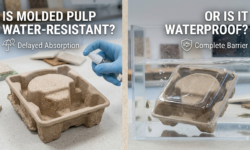
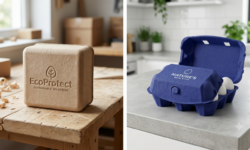
Standardizing materials simplifies inventory management and reduces costs. When you use too many box sizes or filler materials, packing takes longer. Choose a few standard box types, pallet sizes, and protective inserts that cover most products. Molded pulp inserts, for example, fit different shapes and offer consistent protection without increasing complexity.
3. Invest in Sustainable Packaging Options
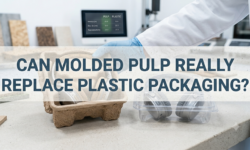
Sustainability also improves efficiency. Lightweight, recyclable materials like molded pulp reduce shipping weight and storage space. Unlike foam or plastic, molded pulp inserts are easier to stack, recycle, and dispose of. They also reduce waste management costs. Many industrial companies now use molded pulp for shipping electronics, bottles, and machine parts.
4. Train Your Packaging Team
Even the best materials are ineffective without proper training. Regular workshops help workers understand new tools, packing methods, and handling standards. A well-trained team packs faster, reduces product damage, and follows safety standards. Consistent training also keeps your packaging line aligned with company goals.
5. Automate Repetitive Tasks
Manual packaging slows operations. Automating simple steps such as sealing, labeling, or wrapping increases speed and accuracy. Machines do not replace workers but allow them to focus on quality control and logistics. Automation also reduces human error, which lowers rework and waste.
6. Improve Packaging Design
Efficient packaging design protects products while reducing material use. Review your current designs and see where material thickness or layers can be reduced without affecting protection. Use molded pulp trays or corner guards instead of plastic fillers. They fit securely, reduce waste, and require less storage space.
7. Optimize Warehouse Layout
Packaging efficiency depends on how materials move within your warehouse. Keep packing materials close to the assembly line. Organize pallets and boxes based on usage frequency. A clear and structured layout reduces time wasted in material retrieval and product handling.
8. Use Data to Track Efficiency
Digital tracking tools help monitor performance metrics such as packing time, material use, and labor costs. Use this data to set improvement goals and measure progress. Over time, this allows you to predict demand, reduce downtime, and manage packaging resources better.
9. Collaborate with Packaging Suppliers
Work with suppliers that provide reliable and sustainable materials. A strong partnership ensures a steady supply and quick response to changing production needs. Many molded pulp manufacturers offer design customization for industrial parts, helping you optimize packaging without extra costs.
10. Test and Adjust Regularly
Packaging needs change as products evolve. Regular testing helps maintain efficiency and safety. Test for durability, fit, and environmental resistance. Make adjustments based on customer feedback and shipping performance data. Continuous testing ensures consistent improvement across your packaging process.
Key Takeaways
- Review your current packaging workflow.
- Standardize materials and simplify inventory.
- Choose sustainable molded pulp inserts for better efficiency.
- Train your staff regularly.
- Automate repetitive packaging tasks.
- Redesign packaging to reduce material use.
- Organize warehouse layout for faster operation.
- Use data to track progress.
- Build strong supplier relationships.
- Test and refine packaging over time.
Improving packaging efficiency requires planning and consistency. Small upgrades in material choice, layout, or training lead to significant long-term savings.
For in-stock options, check out our partner site WineShippingBoxes.com for molded pulp inserts ready to ship.