Here’s What Smart Food Brands Are Using In 2026
Plastic packaging had a long run. It was affordable, lightweight, and everywhere. But by 2026, the situation has shifted. Consumers are becoming more aware, regulations are becoming stricter, and companies that continue to depend significantly on plastic are beginning to switch.
So, what alternatives are food brands pursuing?
They are transitioning to molded pulp packaging, and there are valid reasons for this change.
The Shift Away from Plastic
Plastic packaging is facing growing criticism due to its environmental impact. From overflowing landfills to ocean pollution, the downsides are no longer easy to ignore.

Molded Pulp Packaging
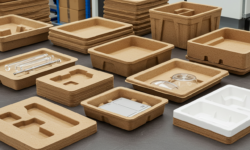
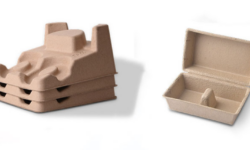
Molded pulp packaging is made from recycled paper materials like cardboard and newsprint. It’s designed to be both protective and environmentally friendly.
1. It is Better for the Environment
Smart food brands know that sustainability isn’t just a trend; it is an expectation.
By switching to molded pulp, businesses can:
- Reduce plastic waste
- Lower their carbon footprint
- Appeal to eco-conscious customers
Customers notice. Sustainable packaging often becomes a selling point, not just a backend decision.
2. It is Strong Enough for Real-World Use
There’s a myth that eco-friendly packaging is less durable. Molded pulp proves otherwise.
It offers:
- Excellent shock absorption
- Structural strength for stacking and transport
- Custom-molded designs for a secure fit
From fruit trays to takeout containers, molded pulp handles the demands of the food industry without compromise.
3. It is Ideal for Fresh Produce and Food Service
Food brands need packaging that protects while maintaining product quality—and molded pulp delivers.
It’s especially effective for:
- Fruit and vegetable trays
- Berry containers
- Egg cartons
- Takeout packaging
Its breathable structure helps reduce moisture buildup, keeping produce fresher for longer.
4. It is cleaner and has a more natural presentation.
Let’s talk aesthetics. Plastic can feel… well, plastic. Molded pulp has a more natural, organic look that aligns perfectly with modern food branding.
It:
- Enhances product presentation
- Communicates sustainability at a glance
- Feels more premium and intentional
For brands focused on image, this is a big win.
5. It Reduces Waste Across the Supply Chain
Plastic packaging often creates waste at multiple points, from manufacturing to disposal.
Molded pulp simplifies things:
- Easier to recycle or compost
- Takes up less landfill space
- Eliminates the need for complex disposal systems
6. It Supports Regulatory Compliance
Governments around the world are introducing stricter rules on single-use plastics. Food brands that switch early are better positioned to stay compliant and avoid disruptions.
Using molded pulp helps businesses:
- Stay ahead of regulations
- Avoid potential fines or restrictions
- Future-proof their packaging strategy
7. It is Cost-Effective in the Long Run
While the upfront cost of molded pulp can sometimes be comparable to plastic, the long-term benefits often outweigh the difference.
Brands can save through:
- Reduced waste management costs
- Improved brand perception and loyalty
- Lower risk of regulatory penalties
Final Thoughts
Plastic packaging is quickly losing its place in the food industry, and smart brands are not waiting around. They are adopting molded pulp packaging as a practical, sustainable, and brand-enhancing alternative.
For in-stock options, check out our partner site WineShippingBoxes.com for molded pulp inserts ready to ship.