How to Choose the Right Materials for Custom Packaging
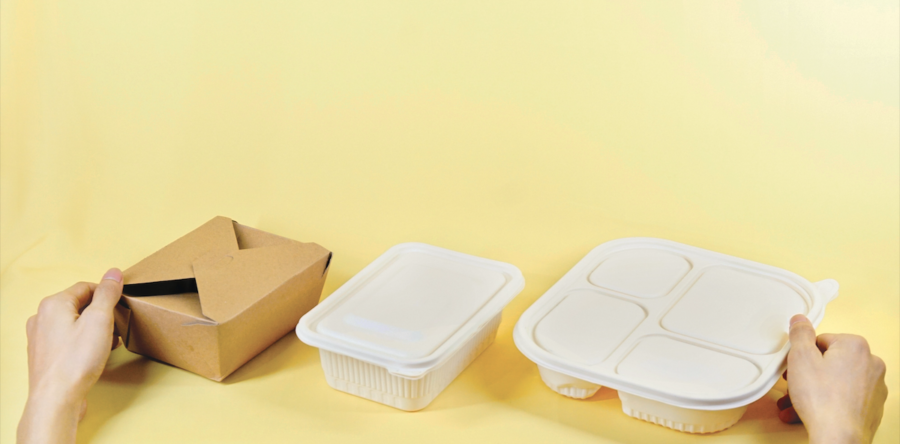
The right packaging material safeguards your products, minimizes expenses, and enhances customer satisfaction. Molded pulp packaging has emerged as a preferred option for companies seeking durability, efficiency, and environmental responsibility.
When contemplating custom packaging, it is important to understand how to choose the right materials.

Why Molded Pulp Works for Custom Packaging
Molded pulp is made from recycled paper and cardboard. It is pressed into custom shapes that fit specific products. This gives you packaging that is protective, eco-friendly, and cost-efficient. Unlike plastics or foam, molded pulp is biodegradable and recyclable. It also provides strength and cushioning for shipping.
Steps to Choosing the Right Materials
1. Understand your product requirements
Start by analyzing your product. Is it fragile, heavy, or irregular in shape? Molded pulp can be designed to fit bottles, electronics, dinnerware, and many other items. Products that need cushioning or secure placement benefit most from molded pulp inserts.
2. Evaluate protection levels
Your packaging material must reduce breakage. Molded pulp trays and inserts are designed to absorb shocks during shipping. They also keep products from shifting inside the box. This is especially useful for bottles, jars, and delicate personal care products.
3. Look at cost efficiency
Material choice affects your packaging budget. Molded pulp is often cheaper than plastics or foam when ordered in bulk. It is lightweight, which reduces shipping costs. Businesses that ship large volumes see long-term savings with molded pulp.
4. Consider sustainability goals
Consumers prefer sustainable brands. Packaging made with recycled fiber aligns with environmental commitments. Molded pulp is recyclable and compostable, making it one of the most sustainable options. Choosing this material helps your brand meet customer expectations and corporate sustainability targets.
5. Focus on branding potential
Custom packaging is not only about protection. It also represents your brand. Molded pulp inserts can be made to fit your exact product shape. They can be paired with printed cartons or outer boxes to create a professional look. Branded packaging improves customer satisfaction and repeat purchases.
6. Test for shipping conditions
Before finalizing, test your packaging under shipping conditions. Molded pulp performs well in stacking and compression tests. It also resists impact during transport. Testing ensures your products arrive intact, which reduces returns and damage claims.
7. Work with reliable suppliers
Quality matters. Partner with suppliers that specialize in molded pulp packaging. They should provide samples, testing support, and design flexibility. A reliable supplier helps you balance cost, strength, and sustainability.
Benefits of Choosing Molded Pulp
- Protects fragile items like bottles and electronics
- Made from recycled paper and biodegradable
- Reduces shipping costs due to lightweight design
- Fully recyclable and compostable
- Customizable for product-specific needs
- Meets customer demand for eco-friendly packaging
Final Thoughts
The right material makes packaging effective and sustainable. Molded pulp offers strength, cost savings, and environmental benefits. If you want packaging that protects your products and supports your brand image, molded pulp is the right choice.
For in-stock options, check out our partner site WineShippingBoxes for molded pulp inserts ready to ship.