Is Cardboard Packaging Sustainable

Cardboard packaging remains a favored choice across various product categories. It is commonly used in food delivery, electronics, retail shipping, and storage solutions. So is cardboard sustainable? The answer is based on factors such as sourcing, production, and disposal methods.
This aims to address each aspect in a clear manner, helping you to determine if the cardboard strategy aligns with your strategy for 2025.
Recycling Strength
Cardboard holds a strong position in recycling networks. Most waste systems accept corrugated cardboard. Collection rates in the United States reach more than 90 percent based on industry data. This supports businesses that want low waste levels. You reduce disposal costs when you move to tight recycling loops.
Clean cardboard keeps its quality through many cycles. This supports a steady material supply. Your operation gains predictable access to recycled content when you standardize box sizes and avoid mixed materials.
Fiber Sourcing
Sustainable cardboard depends on responsible fiber sourcing. You need boards from mills that use managed forests. Look for suppliers with clear chain of custody documents. This helps you reduce deforestation pressure. It also supports compliance as new rules move toward strict documentation.
You also lower emissions when you work with mills that run on biomass or renewable power. Many large mills publish energy data you can review during supplier checks.
Production Impact
Cardboard production uses water and power. Your goal is to lower the footprint with smart supplier selection. Review mill reports. Focus on water recirculation, energy mix, and waste recovery.
Glue use affects sustainability. Water based adhesives support recycling. Petroleum based adhesives block recycling and shorten fiber life. Your packaging team should check board specifications before purchase.
Ink selection also matters. Stick to water based printing for strong recycling outcomes.
Packaging Efficiency
You save resources when you design smarter boxes. Tight sizing reduces waste and freight weight. You lower shipping costs with lighter board grades. These choices support sustainability because you use fewer raw materials.
You also support warehouse efficiency when you standardize box dimensions. Stacked pallets move smoother through systems and reduce handling damage.
End of Life
Cardboard breaks down fast in compost settings. This supports lower landfill pressure. Your customers respond well to simple disposal steps. Clear disposal instructions on packaging help them sort waste correctly.
Avoid mixing cardboard with plastics. Mixed materials break recycling lines and raise sorting costs. Keep your design simple so the full box stays in the recycling stream.
Cardboard vs Molded Pulp

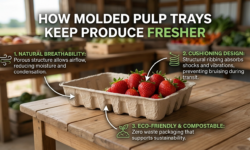
Many brands compare cardboard with molded pulp. Molded pulp uses recycled fiber and forms tighter product protection. You gain strong cushioning for fragile goods. You also gain simple disposal. Molded pulp supports storage efficiency due to nestable shapes.
Cardboard works well for outer boxes. Molded pulp works well for inserts. You get a full fiber based system that supports recycling across many waste networks.
For in-stock molded pulp inserts, check WineShippingBoxes.com for fast shipping options.
Is Cardboard Sustainable
Cardboard supports strong recycling rates. The key is responsible sourcing and simple design. Your packaging line performs well when you mix;
- Smart sizing
- Clean materials
- Low-waste printing
- and Clear disposal steps.
Cardboard remains a practical option for sustainable packaging systems. You gain the strongest results when you match it with molded pulp inserts and clean production choices.