Stack It, Ship It, Forget It: Which Packaging Actually Holds Up?
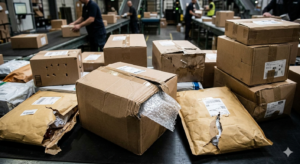
Every business wants packaging that does three things well: it stacks safely, survives shipping, and arrives without damage. But in reality, not all packaging materials hold up the same once products leave the warehouse.
Some collapse under pressure. Others shift during transit or fail to protect fragile items from impact. And when packaging fails, businesses pay for it through damaged products, returns, and frustrated customers.
So which packaging actually holds up when the real-world shipping process begins?
The Real Test of Packaging Starts After Packing
Packaging may look strong sitting on a warehouse shelf, but shipping introduces constant stress. The best packaging should not just be protective in theory, it should maintain performance throughout the entire shipping journey.
Why Weak Packaging Costs More Than You Think
When packaging fails, the costs spread. Even minor movement inside a box can create enough impact to crack products, especially fragile items like glass bottles or electronics.
This is why durability and structural stability matter just as much as appearance.
The Problem with Loose Packaging Materials
Many traditional packaging solutions rely heavily on loose fillers like:
- Air pillows
- Packing peanuts
- Crumpled paper
While these materials may provide cushioning, they often shift during shipping. Once movement happens inside the box, protection becomes inconsistent. This increases the risk of damage.
Why Molded Pulp Holds Up Better
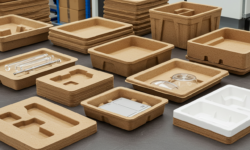
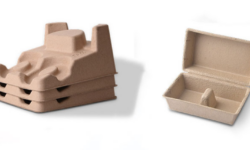
Molded pulp packaging is designed differently. Instead of loosely surrounding products, it creates a structured fit that holds items securely in place. Because the insert is molded around the product shape, movement inside the box is minimized significantly.
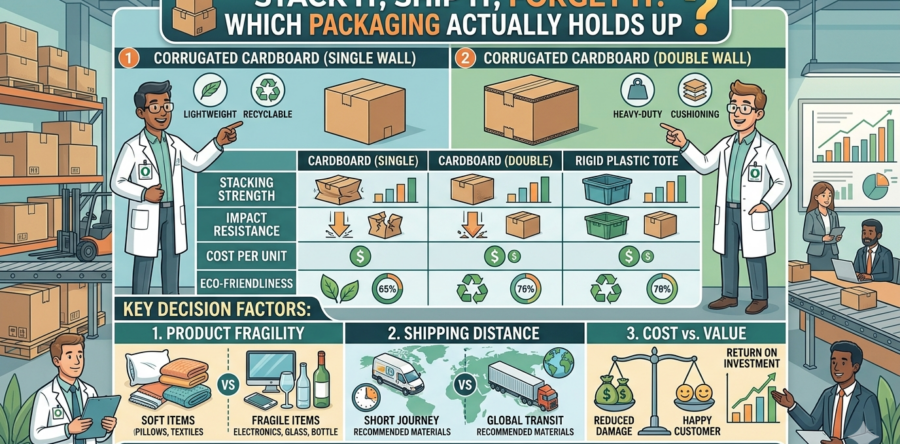
1. It Offers Better Stack Strength
One major challenge in shipping is compression from stacked boxes.
Weak packaging may:
- Collapse under weight
- Shift during pallet movement
- Lose structural integrity over time
Molded pulp packaging provides built-in structural support that helps maintain box stability during stacking and storage.
This is especially important for warehouse and freight environments where boxes are stacked for long periods.
2. Improved Shock Absorption
Shipping impacts are unavoidable. Packages get dropped, bumped, and moved constantly.
Molded pulp absorbs and distributes impact energy rather than transferring it directly to the product. The fiber structure acts as a natural cushion while still maintaining shape.
3. Secure Product Positioning
One of the biggest reasons products break is internal movement.
If items shift during transport, they can:
- Hit box walls
- Collide with each other
- Experience repeated vibration damage
Custom-fit molded pulp inserts prevent this by keeping products locked into position throughout shipping.
4. Better Performance During Palletization
Packaging doesn’t just need to survive individual shipments, it also needs to perform well on pallets. Consistent packaging dimensions and secure product placement reduce shifting during freight movement.
5. Sustainable Without Sacrificing Protection
Many businesses worry that sustainable packaging may not be durable enough for shipping. Molded pulp proves otherwise. This allows businesses to improve sustainability goals without compromising shipping reliability.
Final Thoughts
The best packaging is the kind you do not have to think about after it ships. It stacks properly, protects consistently, and arrives without problems.
Molded pulp packaging stands out because it delivers protection that actually holds up under real shipping conditions. Because when packaging works the way it should, businesses can stack it, ship it, and forget about it.
For in-stock options, check out our partner site WineShippingBoxes.com for molded pulp inserts ready to ship.