What Warehouse Managers Wish Packaging Designers Knew
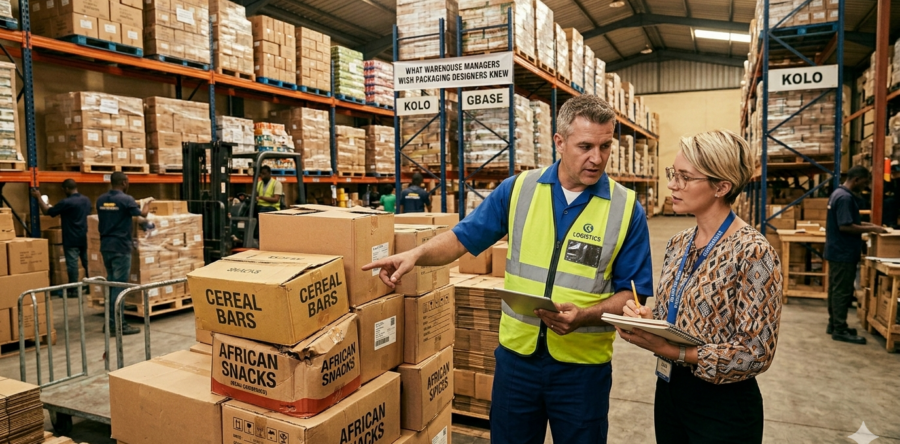
Packaging design focuses on appearance and branding, and it matters. But ask any warehouse manager, and they will tell you there is another packaging side that does not get enough attention, which is operational efficiency.
Here is what warehouse managers wish packaging designers understood from the start.
1. Packaging Needs to Work in Real-World Conditions
Warehouse environments are fast-paced and demanding. Packages are constantly:
- Lifted
- Stacked
- Moved across conveyors
- Loaded onto pallets
Warehouse managers want packaging that
- Holds up under pressure
- Maintains structure during stacking
- Survives handling without damage
Because once packaging fails in the warehouse, everything slows down.

2. Too Much Empty Space Creates Problems
Oversized packaging is one of the most common frustrations in logistics.
Extra space leads to
- Product movement during transit
- Higher shipping costs
- Inefficient pallet stacking
Warehouse teams prefer packaging that fits products properly and maximizes space efficiency.
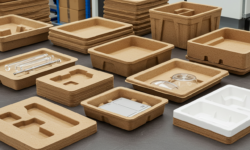
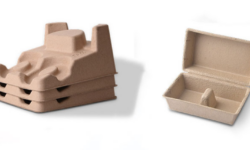
Molded pulp packaging helps by creating custom-fit protection that minimizes movement while reducing unnecessary bulk.
3. Speed Matters More Than Designers Think
In a warehouse, seconds matter. If packaging is difficult to assemble or pack, it impacts productivity immediately.
Common issues include:
- Complicated folding designs
- Excessive packing materials
- Slow loading processes
Warehouse managers appreciate packaging that is
- Simple to assemble
- Easy to stack
- Fast to pack consistently
Efficiency at scale matters more than flashy design features.
4. Pallet Stability Is a Big Deal
Packaging isn’t just about individual products but it is about how those products behave when stacked together.
Poorly designed packaging can:
- Shift during transport
- Collapse under weight
- Create unstable pallet loads
Warehouse managers want packaging with:
- Strong structural support
- Uniform sizing
- Reliable stacking performance
Molded pulp inserts help improve load stability by keeping products secure and evenly positioned inside the package.
5. Sustainability Should Also Be Practical
Most warehouses support sustainable packaging, but only when it works operationally.
Managers do not want eco-friendly packaging that:
- Falls apart during shipping
- Creates dust or mess
- Slows down workflows
That is why molded pulp stands out. It’s sustainable, but also
- Durable
- Lightweight
- Efficient to store and ship
6. Damaged Products Hurt Everyone
When products arrive damaged, warehouse teams often deal with the consequences first.
This means;
- Returns processing
- Repacking
- Customer complaints
- Inventory issues
Packaging that absorbs shock and prevents movement reduces these problems significantly.
Warehouse managers value protection that works consistently, not just packaging that looks protective.
7. Storage Efficiency Matters
Warehouse space is expensive. Bulky or oddly shaped packaging wastes valuable room.
Managers prefer designs that
- Stack neatly
- Optimize shelf and pallet space
- Reduce storage inefficiencies
8. Consistency Improves Workflow
Inconsistent packaging creates confusion on packing lines and during fulfillment.
Warehouse managers prefer packaging that is:
- Uniform in size and structure
- Predictable to handle
- Easy to identify and organize
Final Thoughts
Packaging design does not stop at aesthetics; it affects every stage of storage, handling, and shipping. Molded pulp packaging combines protection, sustainability, and practical functionality in a way that works not just for designers but also for the people handling products every day.
For in-stock options, check out our partner site WineShippingBoxes.com for molded pulp inserts ready to ship.