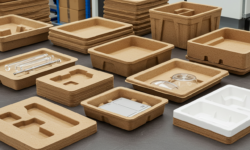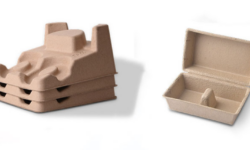
Why Molded Pulp Packaging Works for Mixed Material Shipping
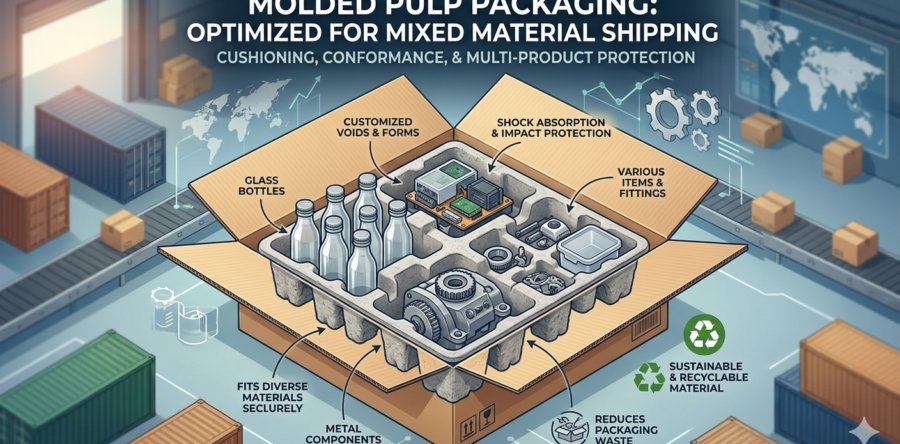
Shipping products made from different materials, such as glass, metal, plastic, or ceramics, can feel like juggling eggs and bricks in the same box. Each material reacts differently to pressure, vibration, and temperature changes.
But why is molded pulp one of the most reliable, cost-effective, and sustainable solutions for mixed material shipping?

1. Built-In Cushioning for Different Material Needs
Mixed material shipments often include fragile and sturdy items packed together. Molded pulp packaging is engineered with shock-absorbing properties that protect delicate items like glass while still supporting heavier components.
Unlike foam or rigid plastic, molded pulp flexes slightly under pressure. This flexibility helps the following:
- Absorb impact during transit
- Reduce vibration damage
- Prevent cracks, chips, and surface scratches
It acts like a natural buffer, keeping everything secure without overpacking.
2. Custom Fit Reduces Movement
One of the biggest risks in shipping mixed materials is internal movement. When items shift, they collide, and that’s when damage happens.
Molded pulp packaging can be custom-designed to hold each item in place. Whether you're shipping:
- Glass bottles with metal caps
- Electronics with plastic and aluminum parts
- Ceramic products alongside accessories
Each component gets its own snug compartment. This eliminates space and minimizes the need for extra fillers like bubble wrap or peanuts.
3. Strong Yet Lightweight
Shipping costs can quickly add up, especially when packaging adds unnecessary weight. Molded pulp strikes the perfect balance; it is strong enough to support mixed loads but light enough to keep shipping costs down.
Key benefits include the following:
- Reduced dimensional weight charges
- Lower fuel consumption during transport
- Easier handling across the supply chain
For businesses shipping in bulk, these savings add up fast.
4. Moisture and Temperature Resistance
Different materials react differently to environmental conditions. For example, metal may corrode, and paper labels may peel under moisture.
Molded pulp packaging offers natural breathability, which helps regulate moisture levels inside the package. Many designs can also be treated for added water resistance.
This makes it suitable for:
- Long-distance shipping
- Warehouse storage
- Changing climate conditions
Your products stay protected without trapping harmful humidity.
5. Eco-Friendly Without Compromise
Sustainability is no longer optional; it is expected. Molded pulp packaging is made from recycled paper materials and is fully biodegradable and recyclable.
For mixed material shipping, this is a huge advantage:
- Reduces reliance on plastic-based packaging
- Appeals to eco-conscious customers
- Helps businesses meet sustainability goals
You get high-performance protection without the environmental guilt.
6. Versatile Across Industries
Molded pulp packaging isn’t limited to one type of product. Its adaptability makes it ideal for industries that frequently ship mixed materials, such as:
- Beverage and wine shipping
- Electronics and accessories
- Cosmetics and personal care
- Industrial components
From delicate glass bottles to sturdy hardware, molded pulp handles it all.
Final Thoughts
Shipping mixed materials doesn’t have to be complicated or risky. Molded pulp packaging simplifies the process by combining protection, customization, and sustainability into one solution.
For in-stock options, check out our partner site WineShippingBoxes.com for molded pulp inserts ready to ship.